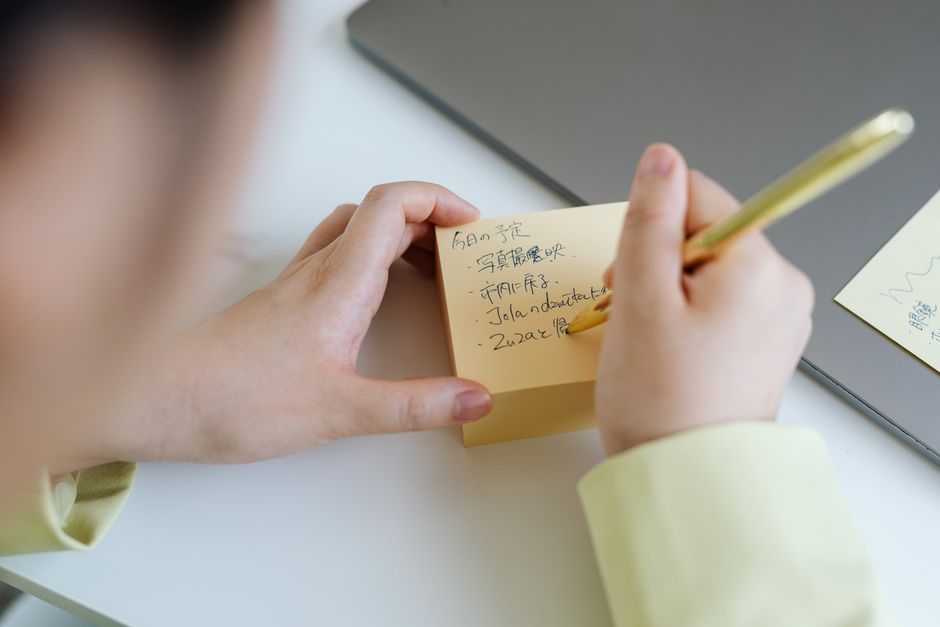
Navigating Task Management Without Apps: When Clutter Complicates Focus

On a typical weekday morning, the remote worker sits at a cluttered desk, surrounded by a haphazard mix of notebooks and sticky notes. The task list, scribbled in a well-worn notebook, sits open next to a laptop filled with too many tabs. As the clock ticks closer to the hour, the worker instinctively checks the calendar, a habit formed from countless meetings. However, this simple action often leads to a cascade of distractions. A reminder popup flashes on the screen, stealing the next ten minutes as the worker grapples with a new task that wasn’t even on the list.
This moment illustrates how easily focus can slip away when the next useful action is buried under setup clutter. The calendar check, meant to streamline the day, instead complicates it. With the task list pushed aside and the meeting agenda taking precedence, critical tasks become lost in the shuffle. The worker's intention to dive into a focused session is thwarted, as they now face the decision of whether to tackle the unexpected task or return to the original plan. Each decision point becomes a potential pitfall, making it clear that managing tasks without apps requires careful navigation through the clutter.
The Setup That Leads to Overwhelm
At a cluttered desk, a remote worker stares at a task notebook filled with hastily jotted notes and colorful sticky reminders. The chaos of overlapping papers and a flickering screen adds to the sense of urgency. It’s an ordinary weekday moment, yet the calendar check feels like a ticking clock. As the worker glances at the screen, they see back-to-back meetings and looming deadlines, each demanding attention. The task list sits neglected, buried under a pile of notes, while the calendar’s bright alerts flash like warning signals.
Feeling the pressure, the worker instinctively opens the calendar app, but this simple action amplifies the clutter. A reminder popup steals the next ten minutes, pulling focus away from the tasks that were meant to be prioritized. The decision point emerges: should they dive into the unexpected task that just popped up, or should they return to the original plan? Each choice feels heavy, as the clutter on the desk reflects the mental chaos. To regain control, the worker could block out a focused session on their calendar, but first, they need to mute notifications and clear the desk, creating a space that allows for deeper focus and better task management without apps.
The Choice That Disrupts Focus
On a busy weekday, the remote worker glances at their task notebook, where a list of critical tasks waits patiently. However, the calendar on their screen is flashing with new email notifications. Thinking it will only take a few minutes, they decide to check their inbox first. This choice feels tempting, a quick way to clear the mental clutter before diving into the main task. Yet, as they open the email app, a flood of new notifications pours in, each demanding attention and pulling focus away from the original plan.
What started as a simple check quickly spirals into a distraction-filled session. The worker finds themselves toggling between emails, feeling the pressure of new messages and urgent requests. A reminder popup steals the next ten minutes, and suddenly, the task list is buried deeper under the weight of new priorities. To regain control, they realize they must first mute notifications, then block out a focused work session on their calendar. This adjustment creates a clearer path to the task at hand, but the initial choice to check emails has already disrupted their workflow, illustrating how a rushed decision can derail productivity.
The Cost of Task Switching
After diving into emails, the remote worker glances at the clock, realizing they've lost track of time. A reminder popup flashes on the screen, stealing ten precious minutes from their focus block. This distraction compounds the clutter on their desk, where a mix of sticky notes and open notebooks obscures their task list. The next actionable item is buried beneath a pile of papers, increasing frustration as they sift through the mess. Each minute wasted adds to the growing sense of disarray.
In the chaos, the worker decides to check their calendar again, hoping to regain some control. However, the clutter makes it difficult to pinpoint the next task, leading to a moment of indecision. They find themselves toggling between tabs, searching for the right document to open, while the clock ticks away. The immediate tradeoff is clear: the choice to check emails has not only derailed their focus block but also created a cycle of task switching that hampers their workflow. This moment illustrates how the initial decision impacts later productivity, as the clutter continues to obscure the path forward, leaving them stuck in a loop of distraction.
A More Effective Approach to Task Management
If this pattern keeps repeating, Managing Energy Not Time extends the idea without leaving the niche.
Before diving into a busy workday, a remote worker can set themselves up for success by committing to a focused session of 25 minutes. This begins with blocking notifications and setting a timer on their phone, ensuring that distractions are minimized. They take a moment to clear their cluttered desk, removing items that aren’t essential to the tasks at hand. The task notebook is opened to the relevant page, displaying the prioritized list of items to tackle.
- Check the calendar for the day’s meetings to avoid overlap with focus time.
- Place the task notebook directly next to the keyboard for easy reference.
- Set the timer and start the session, resisting the urge to check emails until the timer goes off.
This approach holds up better on crowded days because it establishes a clear boundary for work time. By focusing on one task at a time and keeping the notebook visible, the worker reduces the temptation to switch tasks unnecessarily. The act of clearing the desk and preparing the notebook creates a more conducive environment for productivity, directly impacting their ability to maintain focus and efficiency throughout the day.
The Outcome of Consistent Choices
This same friction shows up again in Focus Without Burnout, especially when the day tightens unexpectedly.
With the task notebook opened to the prioritized list, the remote worker notices the clutter on their desk is starting to fade into the background. Instead of having multiple tabs open, they’ve chosen to mute notifications on their messaging app. This simple adjustment creates a more serene workspace, allowing them to focus on the task at hand without constant interruptions. The calendar is checked only once, ensuring that meetings are accounted for, and the worker can clearly see that they have a solid hour of uninterrupted time ahead.
During this ordinary weekday moment, the worker sets a timer for a focused work session. This routine has become second nature; the act of blocking out time for deep work has transformed their approach to daily productivity. By consistently applying this strategy, they find themselves completing tasks more efficiently. The stress of looming deadlines begins to dissipate as each task is checked off the list, creating a sense of accomplishment that fuels further focus.
As the timer ticks down, the worker is fully immersed in the work session. With the task notebook placed directly next to the keyboard, they can easily refer to their next action without the need to switch screens or tabs. This setup minimizes the risk of distractions, as the only window open is the document they are working on. The habit of focused sessions not only enhances their ability to tackle complex tasks but also fosters a deeper engagement with their work, making it easier to enter a flow state. Over time, this consistent choice to prioritize focus over clutter leads to a more productive workflow, reinforcing the value of maintaining a clear workspace and a structured approach to time management.
As the remote worker glances at their calendar, a reminder popup unexpectedly steals the next ten minutes, pulling focus away from the task at hand. This moment illustrates how easily setup clutter can derail progress. When the next useful action is buried under a flood of notifications and meetings, it becomes difficult to maintain a productive workflow. The task notebook, now overshadowed by the calendar, is often forgotten until it’s too late.
To regain control, consider blocking one focused session each day. By setting aside a specific time to work uninterrupted, the clutter can be managed more effectively. Muting notifications during this block ensures that attention remains on the task list, allowing for a clearer path to completion without the distractions of an overloaded calendar.