The Setup Shift That Makes Calendar Block Easier to Repeat

Sitting at the kitchen table, the task list sprawls across the screen, competing for attention with a constant stream of Slack notifications. The clock ticks down the minutes until the next meeting, but the top three tasks remain untouched, buried under a clutter of open tabs and email threads. Each ping from the messaging app pulls focus, making it easy to lose track of what needs to be done. This chaotic scene is all too familiar for anyone trying to manage tasks without apps during a crowded day.
As the focus block approaches, desk planning becomes crucial. The calendar block method often slips when notifications break concentration, leading to a missed opportunity to prioritize effectively. In the rush, the simple act of rewriting the top three tasks gets overlooked, buried beneath the urgency of responding to messages. This small adjustment, if made, could clarify what to tackle first, but instead, the setup clutter grows, complicating the workflow. The friction between the task list and the distractions from Slack or email creates a cycle that derails attention management, leaving productivity hanging in the balance.
The First Step That Gets Skipped
On a typical weekday morning, the kitchen table becomes a makeshift command center. The task list sits open on the laptop, a jumble of priorities waiting to be sorted. As the clock ticks towards the start of a focus block, the intention is clear: review the tasks and set a calendar block for the most pressing items. However, just as the first task is about to be rewritten, a Slack notification pings, drawing attention away from the task list. The urge to respond feels reasonable in the moment, but it interrupts the planning process, creating a ripple effect of distractions.
This seemingly minor interruption can snowball quickly. Each time a notification expands, it pulls focus from the task at hand, leading to a missed opportunity to clarify priorities. Instead of finalizing the top three tasks, the setup clutter grows, making the next useful action harder to identify. The calendar block method, initially promising for managing tasks without apps, falters under the weight of these distractions, leaving the day's most important tasks buried beneath a pile of notifications and unaddressed messages.
Where the Default Method Fails
During a typical weekday at the kitchen table, the clutter of papers, half-finished projects, and an open laptop can quickly obscure the task list. This disarray makes it easy to overlook priorities, especially when the task list is longer than the time available. As the calendar block for focused work approaches, the need to rewrite the top three tasks becomes urgent. Yet, just as the pen hovers over the paper, a Slack notification pops up, demanding immediate attention. The instinct to check it feels reasonable, but it disrupts the planning process, creating a cascade of distractions.
- Notifications pull focus away from the task list, leading to missed priorities.
- A cluttered desk obscures the visibility of the most pressing tasks.
- Every time a notification expands, it adds more clutter to the mental workspace.
With each interruption, the clutter grows, making it harder to identify the next useful action. This weak point under pressure reveals how the default method of managing tasks without apps falters, leaving important items buried beneath a pile of notifications and distractions.
A More Workable Alternative
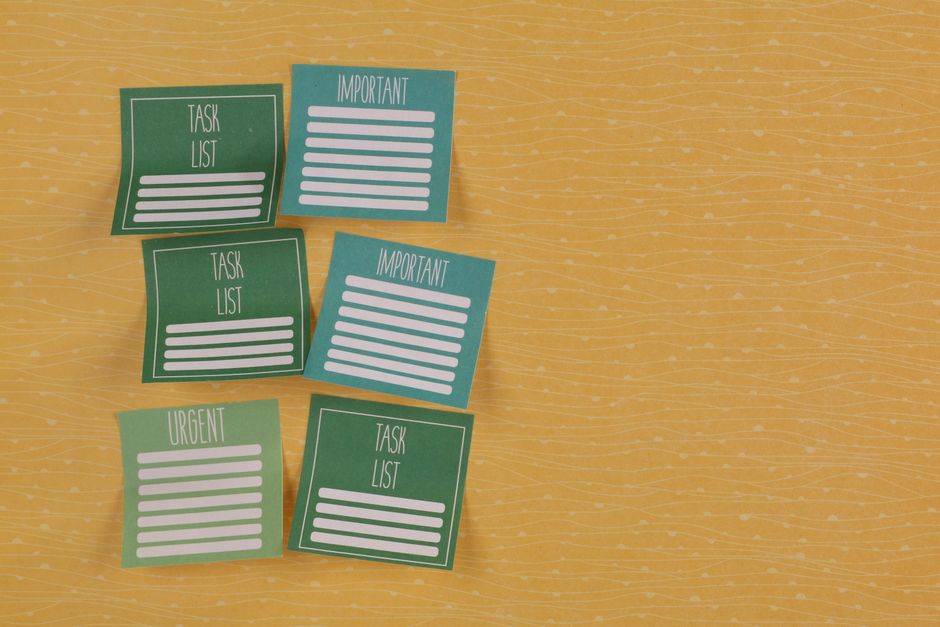
Instead of letting notifications dictate your focus, consider writing your top three tasks on a sticky note and placing it directly in front of your workspace. This simple adjustment keeps your priorities visible and reduces the likelihood of getting lost in a sea of distractions. As the calendar block for focused work approaches, you can glance at the note and remind yourself of what truly needs attention.
Using a calendar block for these focused work sessions can significantly enhance your productivity. When you set a specific time to tackle the tasks on your sticky note, it creates a mental cue to prepare your workspace. Ensure that your browser tab row is clear of unnecessary distractions; close any tabs related to email or Slack before the block starts. This minimizes the temptation to check notifications, which often leads to task switching and lost time.
By prioritizing the writing of tasks on a sticky note and blocking out time for focused work, you establish a clearer workflow. The difference in setup is crucial: instead of relying on a digital task list that can be buried under app notifications, you have a tangible reminder that stays front and center. The act of rewriting tasks not only clarifies your focus but also engages you in the planning process, making it less likely for interruptions to derail your intentions.
The Tradeoff: Clarity vs. Clutter
This same friction shows up again in Managing Energy Not Time, especially when the day tightens unexpectedly.
When preparing for a focused work block at the kitchen table, the act of jotting down tasks on a sticky note can create a clear focal point. This tangible reminder, placed directly in your line of sight, simplifies decision-making. However, it also adds to the physical clutter on the desk, competing for space with coffee mugs and scattered papers. The challenge lies in finding a balance between a straightforward task list and the chaos of a busy workspace.
During an ordinary weekday, interruptions from email and Slack notifications can disrupt this clarity. Each time you switch tasks, the sticky note's purpose becomes muddled, and the next useful action—rewriting the top three tasks—gets buried under the clutter of distractions. This pattern can lead to a frustrating cycle where the clarity offered by the sticky note is overshadowed by the clutter of digital notifications.
Despite the potential for distractions, the tradeoff of using a sticky note can still be worthwhile. It prompts a more engaged planning process, helping you prioritize tasks visually. You might find that the act of rewriting your tasks on the sticky note, even amidst the clutter, reinforces your focus habits. This simple action can serve as a grounding technique, reminding you of your priorities, even if it means dealing with a bit more physical mess on your desk.
When the Alternative Fits Best
A slightly different version of this problem appears in Focus Without Burnout, where the sequence changes but the hidden drag feels familiar.
Choosing the right moment to dive into a focused block of work can make a significant difference in managing tasks without apps. Picture this: it’s mid-morning, and the kitchen table is cleared, save for your task list and a muted notification window on your laptop. This is a prime time for deep focus. During these quieter hours, distractions from Slack or email notifications are less frequent, allowing you to engage with your top tasks more effectively.
Before settling into your focus block, take a moment to assess your environment. Is the task list visible? Are the most pressing tasks written out clearly? If your top three tasks are buried under a pile of notes or clutter, take a minute to rewrite them on a fresh sticky note. This small act not only clarifies your priorities but also reinforces your focus habits—creating a visual anchor that keeps you grounded in your workflow.
As you prepare to start, ensure that your browser tab row is organized, with only the most relevant tabs open. Close any unnecessary ones to minimize temptation. By aligning your environment with your task list, you can significantly reduce the friction that typically arises from constant task switching. This setup fosters a smoother workflow, allowing you to capitalize on those moments when distractions are at bay.
As you navigate the daily chaos of managing tasks without apps, the friction often surfaces when your task list becomes cluttered or hidden. During a weekday at the kitchen table, it's easy to let Slack notifications or emails pull your attention away from what truly matters. When this happens, the top tasks you intended to tackle can become obscured by an avalanche of distractions, making it hard to focus on your calendar block.
Before diving into your next focus block, take a moment to clear your workspace. Physically rewrite your top three tasks on a sticky note, placing it prominently on your desk. This simple act not only clarifies your priorities but also serves as a visual reminder to keep distractions at bay. By doing this, you create a tangible anchor that helps maintain your attention management, ensuring that the next useful action doesn’t get buried under the clutter of your digital environment.