Why Attention Management Often Works Better With a Smaller Setup
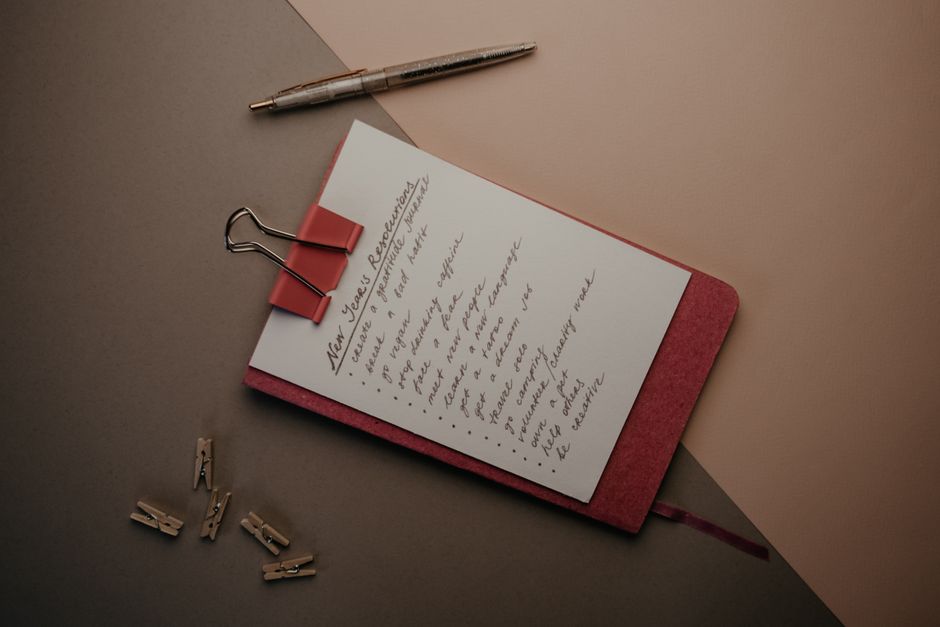
It's mid-morning on a Tuesday, and the browser tab row is overflowing with open pages. As a remote worker, the challenge of managing tasks without apps becomes glaringly apparent during these moments of planning reset. With a quick glance at the task list, it’s easy to feel overwhelmed by the sheer volume of items, many of which are trivial yet demanding attention. The focus block scheduled for later in the day feels like a distant promise, especially when the immediate demands of email feel so pressing.
In this chaotic setup, a crucial missed step often emerges: the failure to prioritize effectively before diving into the next task. Without a clear calendar block to guide the day, attention easily shifts from meaningful work to the noise of smaller tasks. This friction—where minor tasks crowd out significant projects—can lead to a frustrating afternoon dip in energy, making it essential to recognize and correct these patterns before they take hold.
The Routine That Should Work
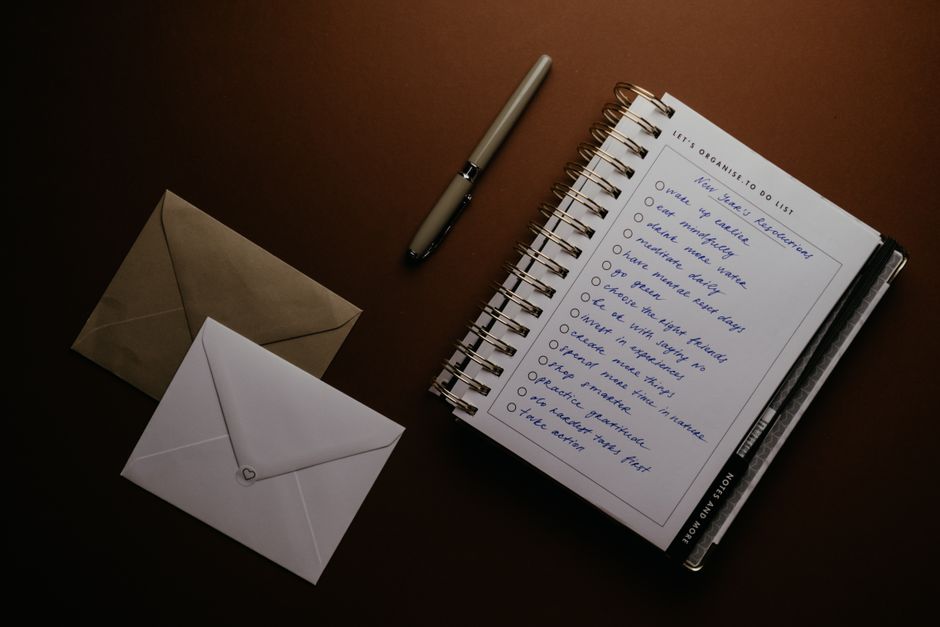
In the midst of a busy workday, the desk cluttered with open tabs and scattered notes, a remote worker often finds themselves staring at a paper task list, the ink still fresh from last night’s planning session. The intention is clear: outline daily goals and tackle the most pressing tasks first. However, the reality often diverges significantly from this ideal. With the browser constantly pinging for attention, small admin tasks like responding to emails or updating a shared document can quickly overshadow the more significant project that remains untouched.
To counter this, a calendar block for a focus session should be strategically placed right after lunch, ideally lasting for at least one hour. This time is meant for deep work, where distractions are minimized. But without a clear plan, it’s easy to let the time slip away. Here, the friction lies in the failure to prioritize effectively before the focus block begins. The initial step should always be to rewrite the top three tasks on the list, ensuring they align with the focus block’s purpose.
After identifying these tasks, it’s crucial to check the calendar again. Is the focus block marked clearly? If not, the worker risks losing that precious hour to the demands of the moment. A simple adjustment—moving the focus block to a time when energy levels are naturally higher—can create a noticeable shift in productivity. This small act of reordering tasks and checking the calendar can help prevent the afternoon dip, allowing for a more productive workflow that stays true to the original intent of the day's planning.
The First Break in Focus
As the clock ticks past 1 PM, a remote worker sits at their cluttered desk, surrounded by an array of open browser tabs. This moment marks the first break in focus: the temptation to check emails, even for just a minute, leads to a cascade of distractions.
The worker finds themselves task switching, moving from one email to another, each requiring a quick response. A forgotten item—a quick reply to a colleague—suddenly feels urgent, pulling focus further away from the priority task. The first visible sign of drift occurs when the worker realizes they’ve spent 30 minutes managing emails instead of writing.
To regain control, a small but effective adjustment is needed. Next, they check the calendar to confirm the focus block is still intact. If it’s not clearly marked, they quickly move it to a later time when energy levels are higher, preventing the afternoon dip. This simple act of reordering tasks and checking the calendar can help steer the workflow back on track, but only if the initial break in focus is recognized and addressed before it spirals into a series of distractions.
This same friction shows up again in Focus Without Burnout, especially when the day tightens unexpectedly.
Why This Failure Repeats
The sheer number of overlapping tasks creates a haze of confusion, making it hard to prioritize effectively.
- Overlapping tasks lead to confusion: When too many items are vying for attention, it’s easy to lose sight of what truly matters. The worker finds themselves bouncing between tabs, responding to emails instead of focusing on the report.
- Lack of prioritization results in smaller tasks overshadowing bigger ones: The quick replies to colleagues feel more pressing than the report, which is due soon but not immediately urgent. This imbalance leads to a cycle where minor tasks consume the energy needed for substantial work.
- Inconsistent focus blocks disrupt workflow: Without a clearly marked focus block on the calendar, the worker misses the opportunity to set aside uninterrupted time. This inconsistency often leads to a scattered approach, where energy dips in the afternoon leave them struggling to regain momentum.
Recognizing these friction points is crucial for improving task management.
A Simple Correction That Works
During a typical weekday, the remote worker sits at their desk, surrounded by a cluttered browser tab row that reflects their scattered attention. With a task list open on one screen and email notifications popping up on another, the temptation to tackle smaller admin tasks grows stronger.
To counter this, taking just five minutes to rewrite the top three tasks on the list can create a clear focal point. This small correction shifts the worker’s attention back to what truly matters. After identifying the three tasks, they can schedule a dedicated focus block on the calendar specifically for these items.
Implementing this adjustment not only clarifies priorities but also helps manage energy levels throughout the day. When the focus block is marked on the calendar, it serves as a commitment to oneself, making it less likely for small tasks to crowd out the real work. This simple act of rewriting tasks and scheduling focused time can transform a chaotic workflow into one that feels more manageable and productive, even amidst the distractions of a remote work environment.
A Quick Check That Prevents More Drift
Before diving back into the browser, take a moment to glance at the task list pinned to the wall beside your desk. This visual cue serves as a reminder of what truly needs attention. This drift often happens without notice, especially during the afternoon slump when energy dips.
To counter this, implement a quick check before re-opening tabs. Spend just five minutes rewriting the top three tasks on your list, prioritizing what must get done today. Once you've identified these tasks, block off a focus session on your calendar. Mark it clearly, so it stands out against other appointments. This not only creates a visual commitment but also helps to manage your energy levels. When the focus block is set, it becomes a dedicated time to tackle those top tasks, reducing the temptation to switch gears and dive into less critical admin work.
What Changes Once That Fix Repeats
If this pattern keeps repeating, Managing Energy Not Time extends the idea without leaving the niche.
After consistently blocking off time for a focus session, the atmosphere around your desk shifts noticeably. Instead of feeling overwhelmed by an endless row of browser tabs, you begin to see a clear path through your tasks. Instead of letting small admin tasks creep in and steal your attention, you dive into the meat of your work with renewed clarity.
During your next time block, you’ll find that the mental clutter has lessened. The previous habit of bouncing between tasks fades as you focus on one item at a time. This shift isn’t just about time management; it’s about attention management. By prioritizing three key tasks and setting a focus block, you create a rhythm that reduces the urge to switch gears for less important tasks.
To make this even more effective, consider placing your task list right next to your computer screen. When you sit down for your focus block, take a moment to glance at this list. It serves as a reminder of what you’re working toward, anchoring your attention. Each time you repeat this process, the friction of task switching diminishes, allowing for a smoother workflow. The next time you sit down, you’ll notice how much easier it is to dive into your work without the nagging pull of unfinished admin tasks.
As you navigate the browser tab row filled with open emails and admin tasks, it becomes clear that small adjustments can significantly impact your workflow. When you take a moment to rewrite your top three tasks before diving into the afternoon, you create a focused approach that helps combat the inevitable energy dip. This simple act of prioritization not only clarifies your objectives but also reduces the temptation to get sidetracked by less important items.
Next time you sit down for your planning reset, consider blocking out a focus block on your calendar. This not only carves out dedicated time for your prioritized tasks but also serves as a visual reminder to keep distractions at bay. By anchoring your task list next to your screen and committing to this routine, you’ll find that the friction of managing tasks without apps becomes more manageable, allowing you to maintain your focus and drive through the day.