Managing Tasks Without Apps: What Slips First on a Crowded Day?
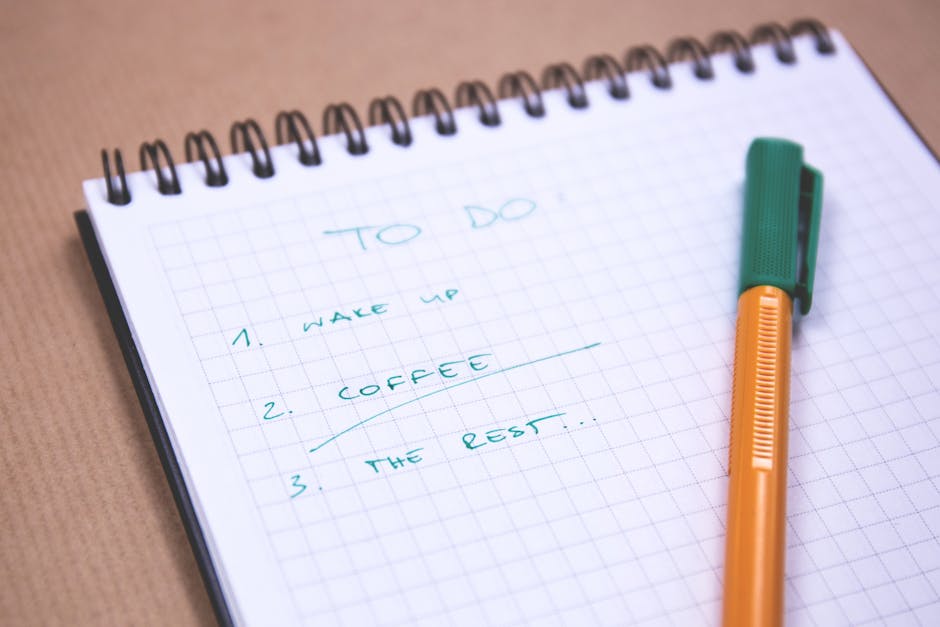
It's a Wednesday afternoon, and the desktop monitor edge is cluttered with sticky notes and half-finished task lists. As a freelancer, the rhythm of my day often hinges on the clarity of my task order, especially when I’m trying to match my focus to my energy levels. I glance at my calendar, a quick check to see what’s next, but that reminder popup steals the next ten minutes, pulling me away from the task I was about to dive into. I can feel the tension build as I mentally juggle deadlines, wondering if I’ve lost track of something crucial.
In these moments, the friction becomes palpable. The calendar check, while intended to streamline my workflow, often leads to a cascade of distractions. Each notification feels like a small derailment, making it easy to lose sight of the visible task list I had prepared. The setup clutter grows as I switch gears, and before I know it, the next useful action is buried under the remnants of my interrupted focus blocks. It’s a delicate balance, and when I don’t manage these interruptions effectively, my productivity slips, leaving me scrambling to regain my momentum.
The First Step That Gets Skipped
As I settle into my chair, the clutter on my desk becomes immediately apparent. A stack of notebooks teeters precariously next to my coffee mug, while my visible task list, pinned to the edge of my monitor, is partially obscured by loose papers and stray pens. It’s an ordinary weekday morning, and I’m already feeling the weight of unfinished tasks pressing down. I glance at my calendar, a habitual check to see what’s next, but the moment I do, a reminder popup flashes on my screen, stealing my attention. I instinctively click it away, but not before losing precious minutes that could have been spent diving into my next project.
This interruption triggers a familiar cycle of task switching. My mind races to recalibrate, and I find myself sifting through the clutter to locate the next useful action on my task list. The disorganization makes it hard to focus, and I realize that the task I intended to tackle is now buried beneath a jumble of notes and reminders. Each distraction adds to the setup clutter, pulling me further from my workflow. I know I should have muted notifications before starting my session; it’s a small adjustment that could have kept my focus intact. Instead, I’m left wrestling with the chaos, wondering how to regain my momentum as I sift through the remnants of interrupted focus blocks.
Where the Routine Begins to Slip
As I sit at my desk, the clutter of sticky notes and half-finished tasks sprawls across my workspace, a visual reminder of the chaos that often accompanies a freelancer's day. The edge of my desktop monitor is littered with reminders, and I can’t help but glance at my calendar, thinking it will guide my next steps. Instead, I’m met with a reminder popup that flashes across the screen, pulling my attention away from the task at hand. I instinctively click it away, but not before losing ten minutes that could have been spent diving into my next project.
This interruption is more than just a distraction; it derails my workflow and prompts a familiar cycle of task switching. I find myself sifting through the clutter to locate the next useful action on my task list, which now feels buried beneath a jumble of notes and reminders. The calendar check, intended to be a helpful tool, becomes a source of distraction. I realize that I should have muted notifications before starting my session; this small adjustment might have kept my focus intact. Instead, I’m left wrestling with the chaos, struggling to regain momentum as I sift through the remnants of interrupted focus blocks.
To counter this, I make a point of organizing my desk each morning, placing my most pressing tasks at the forefront of my workspace. This simple act of desk planning not only clears physical clutter but also sets a mental stage for focus. I aim to keep one visible task list in plain sight, ensuring that when I sit down, I know exactly what to tackle first. However, the moment I allow notifications to seep back into my routine, I can feel the delicate balance of my workflow begin to tip. The next useful action is buried under a mountain of distractions, and I’m left questioning whether I can reclaim my focus before the afternoon dip sets in.
A Better Order for the Same Five Minutes
A slightly different version of this problem appears in Managing Energy Not Time, where the sequence changes but the hidden drag feels familiar.
During a typical weekday, I find myself sitting at my desk, staring at the clutter that has accumulated around my workspace. The task list, which should serve as my guide, is buried beneath a stack of papers and empty coffee cups. Just before I dive into my next focus block, I realize that I haven’t muted my notifications. This oversight often leads to a reminder popup stealing the next ten minutes of my time, disrupting my workflow and leaving me scrambling to regain my focus.
To counter this, I’ve started reorganizing my desk in the mornings. I place my task list prominently on the edge of my monitor, ensuring it’s the first thing I see when I sit down. This small act of desk planning not only clears physical clutter but also sets a mental stage for focus. Before starting a work session, I now have a simple sequence: I mute my notifications, take a quick glance at my task list, and then open my working document. By prioritizing these actions, I create a smoother transition into my focus block, minimizing the chances of interruptions.
However, even with this setup, I can still feel the pull of distractions. If I skip the step of muting notifications, the chaos creeps back in, and my next useful action becomes obscured by a flood of alerts. The difference in my productivity is stark; the same five minutes can either be spent in a productive flow or wasted in a cycle of task switching and frustration, depending on how I manage those initial moments.
What to Check Before the Phone Takes Over
If this pattern keeps repeating, Focus Without Burnout extends the idea without leaving the niche.
As the afternoon slump approaches, I find myself glancing at my task list pinned to the edge of my desktop monitor. It’s a simple, handwritten note, but its visibility is crucial. Before diving into my next work session, I need to ensure it’s not just there for decoration; it must guide my focus. I take a moment to prioritize tasks that align with my energy levels, opting for lighter, more creative work over tedious tasks that require deep concentration.
However, the real challenge comes when I check my calendar. If I don’t do this step first, I risk losing track of upcoming deadlines. I open my calendar app, and as I do, a reminder popup flashes on the screen, threatening to steal my attention for the next ten minutes. This interruption is a familiar foe, often leading to a cascade of distractions that disrupt my carefully planned workflow. To combat this, I mute notifications before opening the calendar, ensuring that my focus remains intact.
The difference this small adjustment makes is significant. With a muted phone and a prioritized task list, I step into my focus block with clarity. I can tackle the lighter tasks without the clutter of interruptions clouding my mind. Each subsequent work session feels smoother, as I’m no longer battling the chaos that comes from unmuted notifications or an unorganized task list. This simple act of checking in with my setup not only enhances my current focus but also sets a positive tone for the rest of the day, allowing me to manage my energy and tasks more effectively.
As the afternoon dip approaches, the clutter on my desk can easily derail my focus. I often find myself staring at a disorganized task list, trying to remember which task I planned to tackle next. This is where a simple yet effective check comes into play: before diving into my work session, I take a moment to clear my desk of any unnecessary items and ensure that my task list is visible and prioritized. This quick action not only declutters my physical space but also refreshes my mental focus.
In this busy moment, I also make it a point to check my calendar before opening any documents. By ensuring that I know what deadlines or meetings are coming up, I can align my tasks accordingly. This preemptive glance at my schedule helps me avoid the common pitfall of task switching, where I might otherwise lose precious minutes figuring out what needs attention first. By anchoring my workflow in these tangible checks, I can maintain better control over my energy and tasks, ensuring that I stay productive without relying on apps.


