Navigating Task Management Without Apps: The Hidden Costs of Split Attention
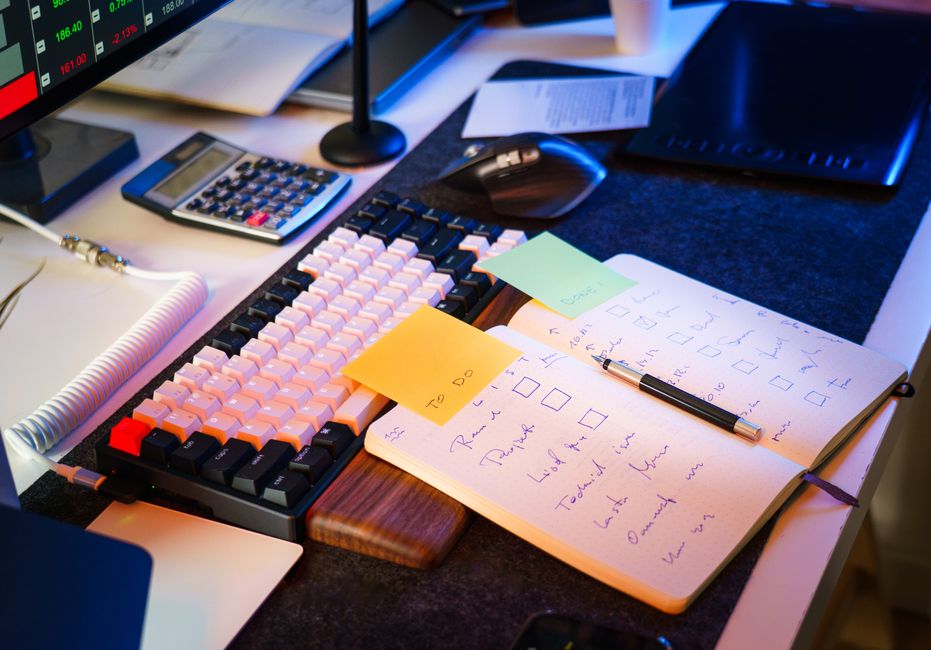
At 10:15 AM on a Tuesday, the cluttered desk is a battlefield of sticky notes, a half-finished task list, and a calendar filled with blocks of time dedicated to deep work. The desktop monitor displays a blinking reminder for an admin task that needs attention, pulling focus away from the project that requires concentration. The small admin tasks, like replying to an email or updating a spreadsheet, crowd out the real work, leaving little room for the deep thought needed to make progress.
Each time a reminder pops up, it disrupts the workflow, leading to a cascade of task-switching that feels almost unavoidable. The worker glances at the muted notification window, but the distraction lingers, making it hard to return to the original task. With attention split between tools, tabs, and reminders, the intention to manage tasks without apps starts to unravel. The next move should be to push those admin tasks later in the day, yet the urgency of the reminder makes that decision harder to execute, revealing a friction point in the daily productivity routine.
The Overlooked Pressure of a Crowded Workspace
Sticky notes clutter the edge of the monitor, each one a reminder of tasks that hang over the day like a storm cloud. The desktop is a maze of open tabs, each vying for attention, while a blinking notification for an admin task threatens to derail the current focus. As the clock ticks closer to a deadline, the urgency mounts, leading to hasty decisions about what to tackle next. The pressure of an upcoming presentation looms large, making it easy to justify a quick glance at that email or spreadsheet, even when it’s not the priority.
Each time a reminder pops up, it creates a ripple effect, pulling attention away from deeper work. The tension builds as the worker toggles between tasks, feeling the weight of unfinished admin duties. A muted notification window sits on the screen, a small oasis of calm, but the distractions keep surfacing, making it hard to return to the critical project. To regain control, it’s essential to move those smaller tasks to later in the day. However, the immediate pressure from the reminders makes this adjustment feel like a gamble, revealing a friction point that disrupts the workflow and complicates time management.
The First Decision That Crowds the Day
A cluttered desktop monitor edge holds a blinking reminder for a small admin task, its urgency palpable. With the clock inching closer to a deadline, the temptation to tackle this quick item feels like a safe bet. Instead of diving into the deep work block planned for the morning, the office worker clicks on the notification, thinking it will only take a moment. However, as the email loads, the focus on the critical project begins to wane, and the screen fills with distractions.
This seemingly innocuous choice quickly spirals into chaos. The reminder popup steals the next ten minutes, pulling attention away from the main task. Each ping from the email inbox feels like a small weight added to an already heavy workload. The pressure to respond immediately makes it hard to resist, creating a friction point that disrupts the workflow. To regain control, the worker must consciously decide to move those smaller admin tasks to later in the day, but the immediate pull of notifications complicates this adjustment. The challenge lies in resisting the urge to switch focus, making it clear how a single decision can shift the entire workflow.
The Cost of Task Switching: A Real-World Example
On a typical weekday, the office worker sits at a cluttered desk, a task list pinned to the edge of the monitor. As they prepare for a focused work session, a notification pops up from the email client, flashing insistently. The instinct to check it feels almost automatic, but this decision initiates a chain reaction that disrupts their carefully planned calendar block. What starts as a quick glance at the email quickly devolves into a ten-minute sidetrack, during which the worker is bombarded with new messages and reminders.
Each minute lost to this distraction compounds the pressure of the day. Important tasks begin to pile up, neglected in favor of smaller, less critical admin tasks that seem to demand immediate attention. The realization dawns that while they spent those ten minutes responding to an email, the main project remains untouched. The tradeoff is stark: the choice to address a minor notification has led to a significant delay in completing the core work. To regain focus, the worker must now consciously decide to move those smaller tasks to later in the afternoon, but the temptation to check notifications lingers, creating an ongoing friction that undermines their workflow habits.
A Better Order for Managing Tasks
If this pattern keeps repeating, Managing Energy Not Time extends the idea without leaving the niche.
During a busy weekday, the desktop monitor edge is cluttered with open tabs, reminders, and a task list that seems to grow by the minute. A quick glance at an email notification can easily pull focus away from a deep work session. When this happens, even a small admin task can derail productivity, as the worker finds themselves sidetracked by responding to a message instead of completing a crucial project.
- Move admin tasks to a later time block to protect focus periods.
- Use a muted notification window to minimize interruptions.
- Consider batching similar tasks together to streamline workflow.
By implementing these steps, the worker can create a more effective workflow during a crowded day. For instance, if they decide to mute notifications and schedule admin tasks for the afternoon, they can maintain their focus on high-priority projects during the morning hours. This decision not only preserves time but also reduces the temptation to switch tasks mid-session, allowing for deeper engagement with the work at hand.
The Outcome of Consistent Choices
This same friction shows up again in Focus Without Burnout, especially when the day tightens unexpectedly.
After a few weeks of shifting admin tasks to the afternoon, the clutter on the desktop monitor edge began to clear. The task list, once a chaotic mix of urgent emails and project milestones, transformed into a streamlined outline of priorities. Each morning, the office worker could now sit down with a clear focus, knowing that notifications would remain muted until the afternoon.
During these deep work sessions, productivity soared. With the calendar block dedicated solely to high-priority projects, the worker could dive into complex tasks without the usual interruptions. For example, a reminder popup that once stole ten minutes now went unnoticed, allowing for uninterrupted thought and creativity. This small change created a ripple effect: fewer distractions led to a greater sense of accomplishment at the end of each work session.
As the day progressed, the worker could then tackle the admin tasks in a dedicated block, feeling less pressure and more control. This structured approach not only fostered a more effective workflow but also made the afternoon tasks feel less daunting. The decision to protect deep work periods consistently paid off, revealing how managing tasks without apps can thrive when distractions are minimized and focus is prioritized.
As the workday winds down, the clutter on the desktop monitor edge becomes a reminder of how easily small admin tasks can siphon attention away from deep work. A missed check on the task list, such as moving those minor tasks to a later time block, can lead to a cascade of distractions. Each notification, each pop-up, competes for focus, pulling the mind away from the core project that needs undivided attention.
To regain control, consider muting notifications during high-focus periods. This simple adjustment can create a clearer mental space, allowing for deeper engagement with the task at hand. When the next calendar block arrives, prioritize the main project first, ensuring that the admin tasks are not just an afterthought but a scheduled follow-up, freeing up mental energy for what truly matters.


