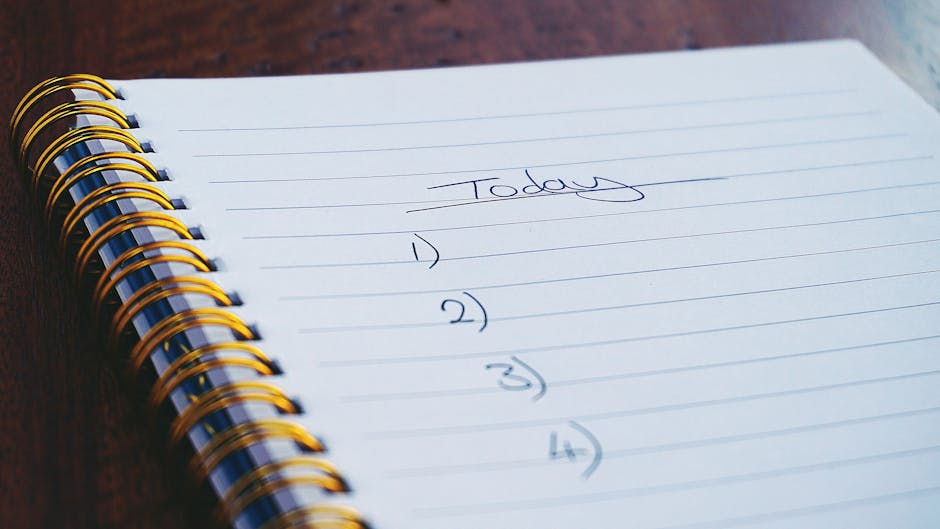
The Task That Slips Away: Managing Without Apps
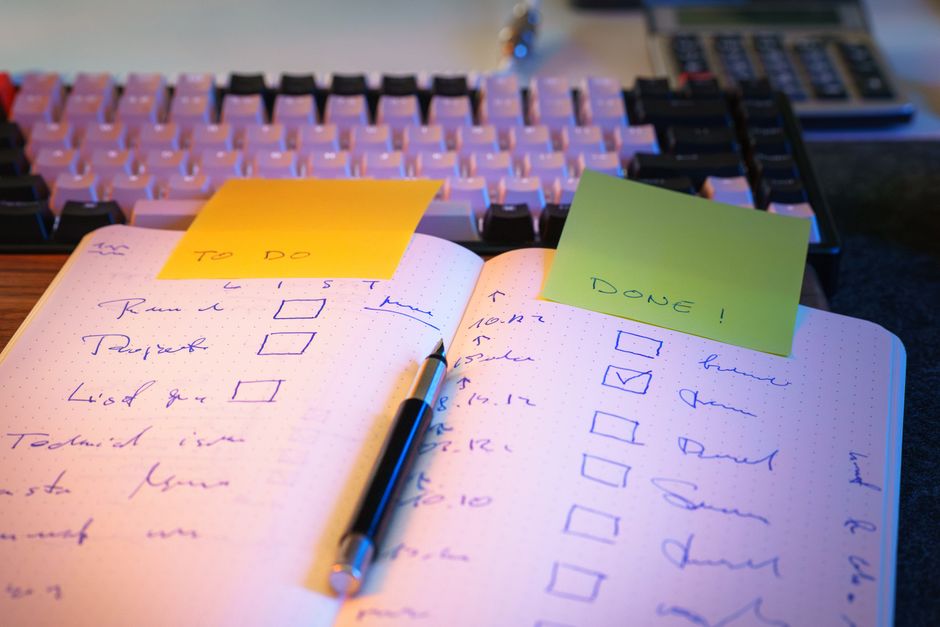
At the kitchen table, the desktop monitor looms with a half-opened email client, its notifications muted. A task list sits nearby, but the top three tasks remain unwritten. It’s an ordinary weekday moment, and the calendar is already open, demanding attention before any real work begins. The urge to check the day’s appointments feels like a necessary step, yet it often leads to a cascade of distractions.
As the minutes tick by, the work surface and task surface don’t match; the clutter of unprioritized tasks creates friction. Each time the calendar is checked, it becomes easier to lose sight of the original goals set for the day. The simple act of rewriting those top three tasks is overlooked, buried under the weight of task switching. This moment of desk planning, meant to streamline workflow habits, instead becomes a pitfall where focus habits slip away, leaving only a vague sense of what needs to be accomplished.
The First Step That Gets Skipped
The kitchen table doubles as an office, cluttered with a task list and a calendar, both vying for attention. The desktop monitor, angled just right, displays a half-opened email client, its notifications muted. A quick glance at the calendar feels like a necessary step, but it often leads to an unexpected detour. As the minutes slip away, the top three tasks for the day remain unwritten, buried under the weight of constant task switching.
Checking the calendar first seems reasonable, a way to ground the day’s focus. Yet, this habit creates friction; each glance at the day’s appointments pulls the mind away from the tasks that truly matter. Instead of rewriting those top three tasks, the focus drifts, and the original goals fade into the background noise of notifications. This moment of desk planning, intended to sharpen workflow habits, instead becomes a trap where clarity slips away, leaving only a vague sense of urgency without direction.
Where the Default Method Fails
The kitchen table, cluttered with papers and a half-drunk cup of coffee, becomes a battleground for focus. A glance at the desktop monitor reveals a calendar filled with back-to-back appointments. Checking this calendar before opening the working document feels like a necessary step, yet it often leads to distractions. Each notification from the email client, muted but still present, pulls attention away from the tasks at hand. Instead of diving into the top three tasks for the day, the mind wanders, caught in a loop of task switching.
This habitual glance at the calendar creates a friction point that derails productivity. As the calendar is checked repeatedly, the task list grows overwhelming, filled with items that seem urgent yet lack clarity. The original goals fade into the background noise, overshadowed by the next meeting or reminder. The intention to plan effectively dissolves into a vague sense of urgency, where the most pressing tasks remain unwritten.
To counter this, a simple adjustment can be made: before checking the calendar, take a moment to rewrite the top three tasks on a sticky note and place it directly in view. This small act shifts the focus back to what truly matters, creating a visual anchor that helps resist the pull of constant task switching. By prioritizing the tasks first, the calendar can be checked afterward, allowing for a clearer mind and a more intentional workflow. This sequence change can make all the difference during a crowded day.
This same friction shows up again in Focus Without Burnout, especially when the day tightens unexpectedly.
A Better Order for the Same Five Minutes
Before diving into a focus block at the kitchen table, the instinct is often to check the calendar first. This common approach, however, can quickly lead to a tangled web of distractions. The phone buzzes with new email notifications, and the desktop monitor edge becomes cluttered with open tabs. Instead of prioritizing tasks, the mind gets pulled into a cycle of checking and responding, leaving the original goals buried under a pile of urgent emails.
A more effective strategy involves flipping the order of operations. Begin by taking a moment to rewrite the top three tasks on a sticky note, placing it directly in view on the desk. This simple act shifts the focus back to what truly matters. With the tasks laid out clearly, the calendar can be checked afterward, allowing for a more intentional workflow. By prioritizing the tasks first, distractions from emails can be minimized, as the mind is anchored to the specific objectives at hand.
Reorganizing the workspace to match the task list can also make a significant difference. Close unnecessary tabs and mute notifications on the computer screen, creating a cleaner environment that supports concentration. When the task list is visible and the workspace is free from distractions, the focus block becomes more productive. This simple reordering not only enhances attention management but also sets a clear intention for the work session ahead. The friction of constant task switching diminishes, and the clarity of purpose returns, paving the way for a more effective day.
The Tradeoff of Focus Blocks
During an ordinary weekday moment, the calendar sits open on the desktop monitor edge, a glaring reminder of the tasks ahead. However, the calendar check can become a trap, leading to a cascade of distractions as emails expand and notifications ping. This is where the friction lies: the calendar gets checked before the working document opens, and suddenly, the focus on tasks is lost.
Choosing to prioritize a focus block means setting aside time for planning and prioritization—an act that can feel counterintuitive when the day is already packed. In the midst of this, quick responses to emails may slip through the cracks. Yet, the payoff is often deeper focus on the tasks at hand. For instance, rewriting the top three tasks on a notepad while muting the notification window creates a clearer intention for the session. The act of placing the task list in front of the laptop, rather than letting it sit in a digital format, makes it more tangible and actionable.
While the alternative of constant task switching may seem efficient, it dilutes the quality of work. By embracing the focus block, the clutter on the desk and in the mind can be minimized, allowing for a more intentional workflow. The tradeoff is clear: while immediate responsiveness is sacrificed, the depth of concentration gained during a focus block can lead to a more satisfying and productive day overall.
A Quick Check That Prevents More Drift
Before diving into a focus block, it’s crucial to pause and assess your task list. Place it directly in front of your laptop, ideally on the edge of your desktop monitor. This simple act makes the tasks more visible and tangible, reducing the temptation to check your calendar or email first. When the calendar gets checked before opening the working document, it often leads to distractions that pull you away from your original intent.
As you sit at your kitchen table, take a moment to rewrite your top three tasks on a notepad. This not only clarifies your focus but also serves as a physical reminder of what needs to be accomplished. Muting your notification window during this process is essential; it creates a barrier against incoming distractions. The act of writing down tasks fosters a sense of commitment to the work ahead, while the muted notifications help maintain that commitment by reducing interruptions.
By prioritizing this quick check, you set the stage for a more effective focus block. The clutter on your desk and in your mind can be minimized, allowing you to engage deeply with your work. This friction can derail your productivity and lead to a less satisfying work session.
When That Alternative Fits Better
If this pattern keeps repeating, Managing Energy Not Time extends the idea without leaving the niche.
As you sit at your kitchen table, the clutter of papers and an open laptop can easily distract you from your tasks. The calendar on your desktop monitor edge shows a few overlapping blocks, hinting at a busy day ahead. This is a moment when the default method of checking your calendar first can lead to a cascade of interruptions, making it harder to focus on the work at hand.
Instead of diving into the calendar, consider a brief desk planning session. Take a notepad and write down your top three tasks for the day. This simple act not only clarifies your priorities but also creates a tangible reminder of what you intend to accomplish. Once you have your tasks outlined, mute your notification window. This small adjustment creates a protective barrier against incoming alerts, allowing you to maintain your focus.
During this ordinary weekday moment, if you find yourself checking the calendar before opening your working document, remember that it can often lead to distractions. By rewriting your tasks first, you set the stage for a more effective focus block. The friction of task switching diminishes as you engage deeply with your work, making it easier to resist the urge to check for updates or notifications. This method not only saves time but also ensures that your attention remains where it matters most.
As you sit at your kitchen table, the clutter of daily life surrounds you, and the urge to check your calendar before diving into your work can be strong. However, if you find yourself habitually switching tasks at this moment, consider how it disrupts your focus. Instead of letting that calendar dictate your next move, take a moment to rewrite your top three tasks on a notepad. This simple act not only clarifies your priorities but also creates a tangible reminder of what you intend to accomplish.
By doing this before opening any tabs or documents, you create a boundary that helps you resist the temptation to check for updates. The friction of task switching diminishes, allowing you to engage deeply with your work. Next time you sit down, remember to mute your notification window first. This small adjustment can significantly enhance your focus during those critical blocks of time, ensuring that your attention remains on the tasks that truly matter.