The Task That Slips First on Busy Days
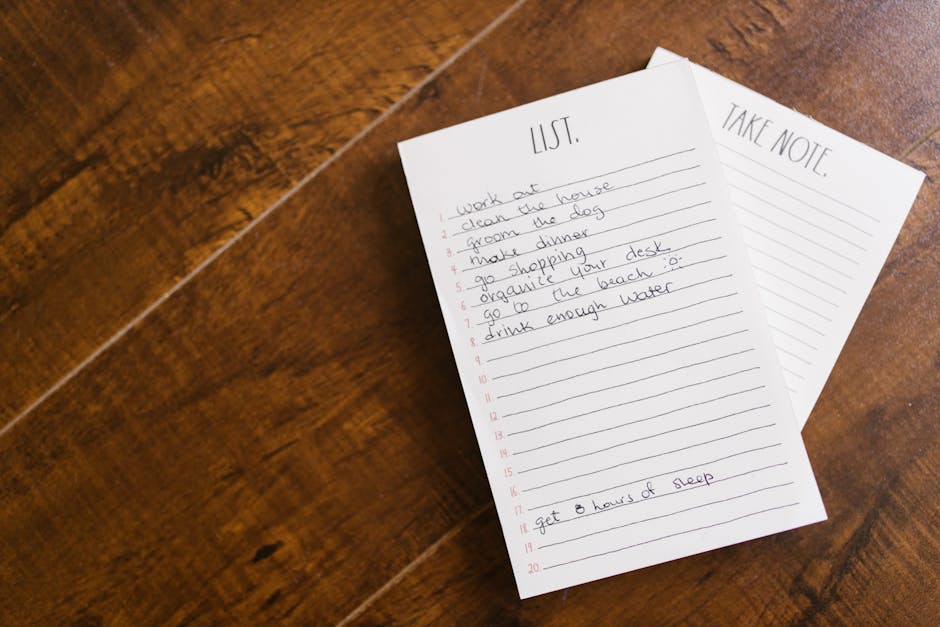
It’s a Tuesday morning, and the task list sprawls across the desk, a chaotic mix of deadlines and reminders. The task notebook lies open, filled with scribbled notes and half-formed ideas. As I prepare to dive into my focus block, the calendar on my screen flashes with a reminder popup. I instinctively check it, thinking it will only take a moment. But ten minutes later, I’m still scrolling through my notifications, feeling the tightness in my chest as I realize that the next useful action is buried under this setup clutter.
This slip happens often when the workload is heavy. The act of checking the calendar before opening my working document disrupts the flow. Each reminder pulls my attention away, and the task-switching starts to erode my focus habits. Instead of diving straight into the task at hand, I find myself caught in a loop of distractions, leading to a fragmented work session that leaves me scrambling to regain my momentum. Recognizing this friction is crucial for maintaining productivity without apps, as it highlights the need for a more streamlined approach to managing tasks during crowded days.
When the Desk Becomes a Distraction
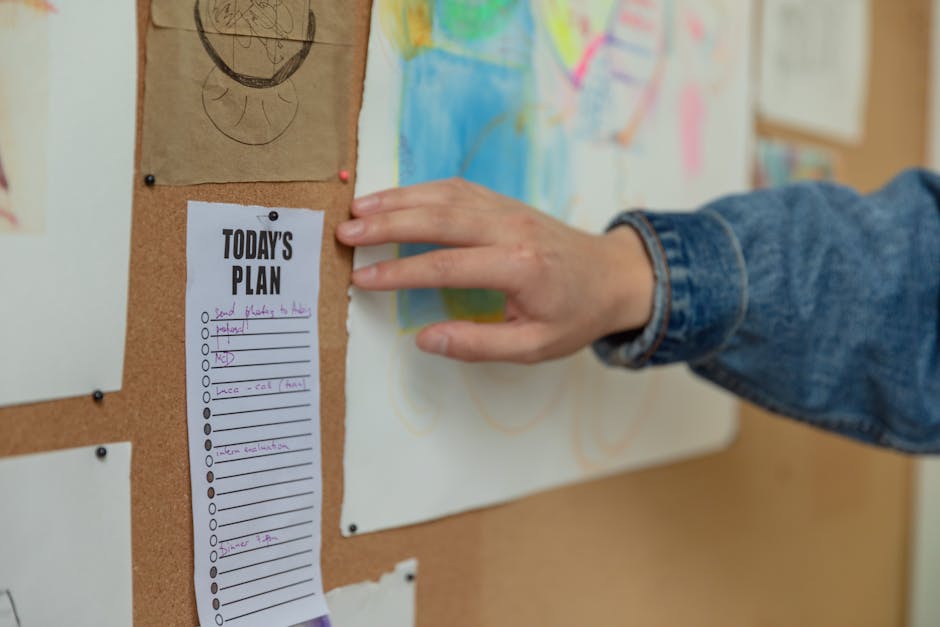
Papers are strewn across my desk, each one a reminder of tasks waiting to be tackled. The task notebook, once a beacon of organization, now lies buried under a mountain of sticky notes and printouts. As I glance at the clock, the minutes slip away, and the lengthy task list looms larger, amplifying my anxiety. I know I need to block out time for a focused work session, but the clutter makes it hard to pinpoint the next useful action. I shuffle through the mess, hoping to find the one note that will guide me back to my focus block.
In this crowded moment, the act of checking my calendar feels almost instinctual. I reach for my computer mouse, but instead of diving into my work, I find myself scrolling through notifications that pop up like weeds in a garden. Each ding pulls my attention further away from the task at hand. A reminder for a meeting steals ten minutes of my precious focus, leaving me frustrated and scattered. I realize that the first slip in my task management often occurs right here, at the intersection of clutter and distraction. To regain control, I need to create a clearer workspace before I start, perhaps by setting aside just five minutes to declutter and prioritize my notes. This small adjustment could mean the difference between a productive session and a day lost to distractions. The First Task That Gets Overlooked As I settle into my desk for a focused work session, my task notebook lies open, filled with scribbled notes and to-dos. The clock shows 10:00 AM, marking the start of my deep-work block. However, before I can dive into the first task on my list, I instinctively check my calendar. It’s a habit formed over countless busy days, but today, that quick glance turns into a time sink. A reminder for a meeting pops up, and suddenly, I’m scrolling through notifications instead of focusing on my work document.
Each notification feels like a small weight pulling me away from my primary task. The ding of an incoming email steals another five minutes, and I find myself lost in a sea of distractions. My initial task, meant for deep focus, is sidelined as clutter and notifications mount. The clutter on my desk mirrors the chaos in my mind, making it difficult to regain my focus.
To counteract this, I realize I need to establish a clearer boundary before starting my focus block. I take a moment to mute all notifications on my computer, creating a distraction-free environment. This small adjustment allows me to reclaim those lost minutes and dive back into my work. Next, I prioritize my notes by placing the most critical task at the top of my task list, ensuring it’s the first thing I see when I return to my desk. By organizing my workspace and minimizing distractions, I can protect my focus block and maintain the momentum necessary for productivity.
Reorganizing the Sequence for Clarity
A slightly different version of this problem appears in Managing Energy Not Time, where the sequence changes but the hidden drag feels familiar.
The first step in maintaining focus during a busy workday is to establish a dedicated focus block. Each morning, I set aside the initial 30 minutes for deep work, a time when my desk is clear, and my mind is ready to tackle the most pressing task. The moment I sit down, I mute notifications on both my phone and computer, a crucial move to minimize interruptions. This small action creates a buffer against distractions, allowing me to concentrate fully on the task at hand.
However, even with a focus block in place, I often find myself distracted by the clutter of my task list. To combat this, I physically rearrange my workspace by placing the most critical task at the top of my task list, ensuring it’s the first thing I see when I return to my desk. This simple setup change not only enhances visibility but also serves as a visual reminder of what needs my attention. If I check my calendar before opening my work document, I risk losing precious time to unplanned reminders. Instead, I keep my task notebook open in front of me, ready to guide my next steps. By prioritizing the first task and minimizing distractions, I can maintain my focus and prevent the slip that often occurs when tasks pile up. Carrying Forward the Focus Habit Once the first task is completed, a tangible sense of accomplishment washes over me, energizing my motivation for the next item on my list. The satisfaction of checking off that initial task not only boosts my morale but also creates a positive momentum that carries into the following work sessions. This feeling is crucial, especially on busy days when the task list feels overwhelming.
Maintaining an organized desk plays a pivotal role in this process. After finishing the first task, I take a moment to clear away any clutter that accumulated during my focus block. I place my task notebook directly in front of my computer screen, ensuring that it’s the first thing I see when I shift my attention. This small adjustment allows for smoother transitions between tasks, as I have a clear visual guide to what comes next. Instead of fumbling through a disorganized pile of papers, I can quickly pivot to the next task, minimizing wasted time.
As I move into the afternoon, the habit of blocking focus time reinforces itself. I find that if I continue to prioritize my next task immediately after finishing the previous one, I can maintain a steady workflow without the need for any apps. The rhythm established in the morning sets the tone for the rest of the day, allowing me to keep my attention on what truly matters. However, if I let distractions creep in—like checking emails or notifications—this flow can be disrupted. The key is to keep my task notebook open and visible, ready to guide my next steps, while resisting the urge to check my calendar again until absolutely necessary.
When the to-do list feels overwhelming, the first slip often occurs at the moment of task-switching. Checking the calendar before diving into the next project can lead to a cascade of distractions, particularly if a reminder popup steals ten minutes of focus. Instead of allowing that interruption, keep your task notebook open and clearly visible on your desk. It serves as a constant reminder of what comes next, helping you resist the urge to check notifications or revisit your calendar until you’ve completed the current focus block.
As you wrap up one task, take a moment to glance at your notebook to see the next item waiting. This simple act can help maintain your workflow and keep you anchored in the present task. By prioritizing that next step and blocking out time for focused work, you can navigate through busy days without losing momentum. Remember, the goal is to protect your deep-work session by minimizing unnecessary checks and distractions.