What Tasks Slip First on Busy Days Without Apps?

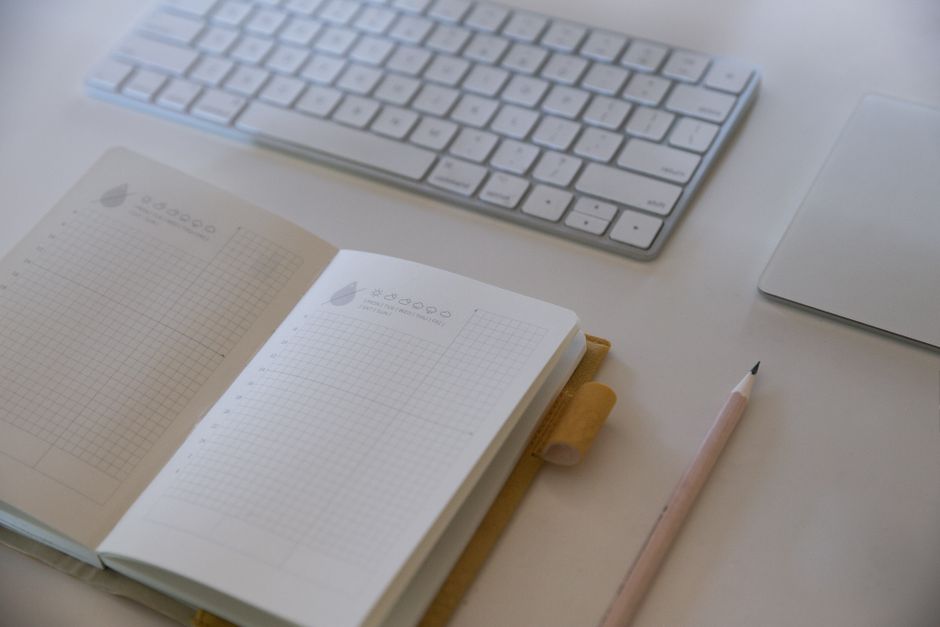
At 10:30 AM, the desk is cluttered with a half-opened task notebook, a few scattered sticky notes, and a cold cup of coffee. The first focus block of the day feels promising, yet the top three tasks are still jotted down without a clear sequence. Each task seems straightforward, but as I prepare to dive in, I realize that switching costs loom large. The energy to maintain focus is there, but the physical setup isn’t matching the mental plan. I glance at the calendar block, mentally noting the time left until the afternoon dip.
As I shift my attention back to the notebook, a nagging thought surfaces: the tasks I consider simple often slip through the cracks. I haven’t rewritten them in days, and the resulting confusion makes it hard to prioritize effectively. Notifications buzz from my phone, pulling me away from the work session I intended to protect. Without a visible task list to guide me, the friction between my intentions and the reality of my desk setup becomes evident. Each moment spent deciding what to tackle next chips away at my focus, turning what should be a productive morning into a series of interruptions.
A Common Scene: The Task List in Motion
At my desk, the task notebook lies open, its pages filled with jotted reminders and half-finished thoughts. The calendar block on the wall shows that I’m nearing the end of my first focus block, a crucial time for deep work. I take a moment to scan my handwritten task list, noting that the top three tasks haven’t been rewritten in days, their urgency fading into the background. As I prepare to transition into the next block, I can feel the weight of the tasks pulling at my attention, threatening to derail my focus.
Glancing at the clock, I realize I have only twenty minutes left before the afternoon dip sets in. I need to act quickly. The desk surface is cluttered, with a coffee mug and loose papers competing for space with my task notebook. Each time I switch my gaze from the notebook to the calendar block, the friction becomes clearer; the physical chaos makes it harder to prioritize. I take a deep breath and mute my phone notifications, a small but necessary step to protect this work session. With my attention now solely on the notebook, I underline the most pressing task and set it at the top of my list, hoping this small adjustment will help me navigate the upcoming hours more smoothly. The First Missed Step: Task Switching Costs As I glance at the clock, the countdown to my next focus block feels more urgent. My task notebook lies open on the desk, but the clutter around it—an empty coffee cup and scattered papers—adds to the challenge of shifting gears. Each time I look away from the notebook, the chaos pulls at my focus, making it harder to prioritize what comes next.
With notifications pinging from my phone, I pause. Colleagues are reaching out about various tasks, and the influx of messages creates confusion about what I should tackle first. I realize I need to mute my notifications to regain control. This small action clears the auditory clutter, allowing me to concentrate on my immediate priorities. I underline the top three tasks in my notebook, ensuring they stand out, but I notice they haven’t been rewritten in days, their urgency fading into the background.
As I prepare to dive into the next task, I can’t shake the feeling that I’ve missed a critical check. I should have organized my workspace before this transition. The disarray means I’m not just switching tasks; I’m also battling the mental load of figuring out where everything is. The immediate consequence of this oversight is palpable: I waste precious minutes searching for the project notes, time that could have been spent in my focus block. Without a clear path forward, the energy I had hoped to harness begins to slip away, leaving me feeling scattered instead of productive.
Why the Friction Occurs: The Ordinary Disruption
As I sit at my cluttered desk, the simple act of checking my calendar block feels like an uphill battle. The clock shows 2 PM, a time when my focus typically wanes, and I’m already feeling the weight of the afternoon dip. I glance at my task notebook, where I’ve underlined my top three tasks, but I realize I haven’t rewritten them in days. Their urgency has faded, and now, instead of a clear path, I’m faced with a jumble of notes and half-finished projects spread across my desk.
Interruptions start to creep in—my phone buzzes with notifications I forgot to mute, pulling my attention away from the tasks at hand. Each ping feels like a small but significant disruption, making it harder to regain my focus. I remember that I should have taken a moment to clear my workspace before diving into this next focus block. The clutter not only distracts me visually but also adds to the mental load as I scramble to locate essential project notes. This hidden step of preparing my environment before a task is often overlooked, yet it’s crucial for maintaining momentum. As I waste time searching for materials, I can feel my energy slipping away, leaving me frustrated and less productive than I intended. One Adjustment: Streamlining Task Visibility My task notebook lies open on the desk, but the clutter surrounding it makes it hard to focus. The top three tasks for the day should be visible, yet they’re buried under a pile of papers and notes. To avoid this friction, I need to create a clear, prioritized task list that I can see at a glance. This simple adjustment can drastically reduce the time spent switching between tasks and searching for materials.
- Write down the top three tasks on a sticky note and place it directly in front of my monitor.
- Set a timer for 25 minutes to dedicate to each focus block, followed by a 5-minute break to reset.
- Before starting the next session, quickly clear the desk surface, moving unnecessary items out of sight.
By implementing this checklist, I can minimize distractions and keep my energy up throughout the day. The sticky note serves as a constant reminder of what needs to be done, while the timer creates a sense of urgency that helps me stay on track. As I prepare for the next focus block, I’ll also take a moment to mute notifications on my phone, ensuring that I can dive into my work without interruptions. This small sequence change—clearing the desk and muting distractions—will help maintain my momentum and protect my deep-work block.
This same friction shows up again in Focus Without Burnout, especially when the day tightens unexpectedly.
A Quick Checkpoint: Preventing Task Drift
During a busy weekday, the desk can quickly become cluttered with papers, sticky notes, and half-finished tasks. Before diving into a new focus block, take a moment to glance at the visible task list in your task notebook. This quick check helps confirm your top priorities and ensures that your energy is directed toward the most important tasks. If the top three tasks aren’t clearly written down and placed in front of your monitor, it’s easy to lose sight of what needs to be accomplished next.
After confirming your priorities, clear any unnecessary items from your desk surface. This small adjustment can significantly reduce distractions, allowing your mind to focus on the task at hand. If the desk is cluttered, switching between tasks becomes more challenging, as your eyes and brain must navigate through the mess. By keeping your task list visible and ensuring your workspace is organized, you minimize the friction that can derail your workflow. Remember, a quick glance at your task list and a tidy desk can be the difference between a productive session and a distracted one.
What Gets Easier in the Next Time Block
If this pattern keeps repeating, Managing Energy Not Time extends the idea without leaving the niche.
As the afternoon approaches, the energy dip often sneaks in, making it challenging to maintain focus. During this ordinary weekday moment, a quick glance at your task notebook reveals the top three tasks still neatly written down. This small act of visibility allows you to prioritize effectively, setting the stage for a more productive work session. By keeping these tasks front and center, you create a natural anchor that reminds you of what needs attention next.
Before diving into the next focus block, take a moment to clear your desk surface. Remove any items that don’t belong, leaving only your task notebook and a pen. This adjustment not only declutters your physical space but also declutters your mind. A tidy desk minimizes the visual distractions that can lead to task switching costs. When you sit down to work, the simplicity of your workspace helps you dive straight into the task at hand without the friction of navigating through clutter.
Now, with your task list visible and your desk organized, you can embrace the next focus block with a clearer mindset. This straightforward preparation allows for a smoother transition into deep work, as you’ll find it easier to engage with the task without the pull of distractions. The benefit here is tangible: you’re not just protecting your time; you’re actively enhancing your ability to concentrate, making the next work session feel more streamlined and effective.
As the afternoon dip approaches, the clarity of your task list becomes crucial. If the top three tasks remain unwritten, the risk of losing focus increases significantly. A quick glance at your task notebook should reveal not just what’s next but also what needs your attention most. By muting notifications during your focus block, you can shield yourself from interruptions that pull you away from these prioritized tasks. This simple act allows you to maintain your workflow habits and reduces the chance of task switching, ensuring that the energy you have is directed toward meaningful work.
When you sit down for your next work session, take a moment to check your desk setup. Ensure that only your task notebook and pen are within reach, eliminating any distractions that could disrupt your concentration. This small adjustment can make a noticeable difference in how effectively you navigate your tasks without apps. Remember, managing tasks without apps often slips when the physical environment doesn’t support the mental focus required. Keep it simple, stay organized, and protect that deep-work block.