Why Managing Tasks Without Apps Breaks Down When Switching Costs Appear
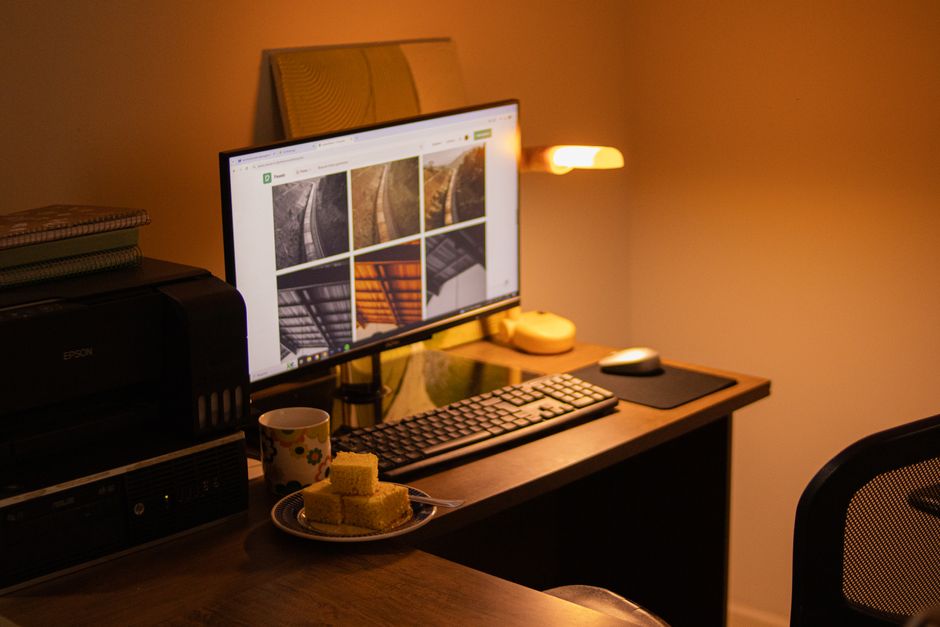
At the kitchen table, the morning light filters through the window as a few scattered papers and a task list sit next to a laptop. It’s an ordinary weekday moment, and the plan is to block out a focused work session. However, the first glance at the task list reveals a familiar pattern: the top three tasks, which seemed straightforward yesterday, remain untouched. Instead, small admin tasks quietly crowd out the real work, creating a sense of urgency that feels both familiar and frustrating.
As I prepare to dive into the day, I notice the calendar sidebar on my screen, filled with muted notifications from various apps. Each notification represents a potential distraction, pulling attention away from the main tasks. The friction becomes apparent: managing tasks without apps can often lead to overlooked priorities when switching costs emerge. A quick check of the task list reveals that the simplicity of the tasks belies the complexity of maintaining focus, highlighting the need for a more intentional approach to desk planning before engaging in a focused block.
The Routine That Should Work
My kitchen table is cluttered with a task list, neatly organized by priority, yet the top three tasks stare back at me, untouched. This setup should facilitate a focused work session, but the reality is different. The calendar block I created last night looms on the screen, promising dedicated time for these tasks, yet the distractions of small admin tasks begin to seep in. I glance at the muted notification window, a visual reminder of how easily my attention can be diverted.
Before I dive into the work, the first step is to physically clear the table, pushing aside any irrelevant papers and tools that might disrupt my focus. Next, I pull out my task list and highlight the top three priorities with a bright marker, ensuring they stand out. This simple act of highlighting signals my brain to focus on what truly matters. I then open my calendar and double-check the time allocated for each task, making sure I’ve set aside at least a solid hour without interruptions.
However, the friction point arises when I realize that even with this clear plan, the small admin tasks—like responding to emails or organizing files—can quickly crowd out the real work. Each time I switch from a priority task to an admin task, I lose momentum, making it harder to return to the original focus. This cycle of switching costs can drain my energy and disrupt the workflow I intended to establish.
As I prepare to block out this focused work session, I remind myself that the simplicity of the tasks doesn’t equate to ease in execution. The friction is real, and it requires ongoing attention management to ensure that my desk planning translates into actual productivity.
The First Break in the Sequence
As I sit at my kitchen table, the task list on my laptop screen stares back at me, filled with three priority items I need to tackle. I’ve allocated a solid hour on my calendar for focused work, but the moment I open my email to check for any urgent messages, I hear the familiar ping of a notification. This small interruption is often the first crack in my productivity. I quickly glance at the notification, and just like that, my attention shifts from the main tasks to the admin duties that seem to multiply with every click.
Switching gears from a priority task to an admin task might seem harmless, but each transition costs me more than just time. The energy required to regain focus on my original task is substantial, and I can feel my momentum slipping away. I realize that the top three tasks on my list never get rewritten; they linger there, overshadowed by smaller, less important tasks that creep in. Each time I divert my attention, I lose the thread of my workflow, making it harder to dive back into the real work I intended to accomplish.
To mitigate this, I remind myself to mute notifications before starting my work session. This simple action can help maintain my focus and prevent those pesky distractions from derailing my plans. However, even with this adjustment, the friction remains palpable. The calendar block I set for focused work can easily be compromised by a single forgotten item or a sudden detour into admin tasks, leaving me to question whether I can truly manage my workflow without the aid of apps.
Why This Breakdown Happens
During my planning reset at the kitchen table, I often find myself staring at my task list, where the top three tasks remain unchanged. This stagnation highlights a common issue: switching costs can derail even the simplest tasks. When I shift my focus to smaller admin tasks, I underestimate how long they will take, thinking I can quickly check them off. However, each distraction pulls me further from my primary objectives, creating a ripple effect that disrupts my entire workflow.
- Admin tasks like responding to emails or organizing files often take longer than anticipated, consuming the time I set aside for focused work.
- Each time I switch back to my main tasks, I lose momentum, making it harder to regain the focus I had just moments before.
- My overconfidence in managing these tasks without apps leads to a false sense of control, which ultimately complicates my workflow.
As I glance at my calendar sidebar, I realize that my original block for focused work is at risk. The tension between quick admin tasks and my more significant projects creates a hidden cause for this breakdown. Each small task feels manageable until it crowds out the real work, leaving me questioning whether I can truly navigate my day without digital assistance.
A Simple Correction to Shift Focus
During a typical weekday moment at my kitchen table, I often find myself staring at my task list, which is pinned to the wall beside me. The top three tasks, which I promised myself I would tackle today, remain unchanged from yesterday. This stagnation becomes a visual cue of my indecision, as small admin tasks—like checking emails or organizing my desk—begin to encroach upon my scheduled focus block. Each time I glance at my calendar sidebar, I see that my original block for high-priority work is slipping away, overshadowed by these seemingly simple tasks.
To counteract this, I make a small but impactful correction: I block a dedicated session on my calendar specifically for these high-priority tasks. I mute notifications on my phone and computer during this time, ensuring that distractions are minimized. As I prepare for this focused work session, I take a moment to prioritize my top three tasks and write them out on a sticky note placed directly in front of me. This visual reminder keeps my objectives clear and accessible, allowing me to resist the temptation of switching back to those smaller, less important tasks. The simple act of blocking time and muting notifications creates a clearer boundary, allowing me to dive deeper into my work without the constant pull of interruptions.
A Quick Checkpoint for Future Sessions
If this pattern keeps repeating, Managing Energy Not Time extends the idea without leaving the niche.
Before diving into my focused work session, I glance at my cluttered task list, noting how easily non-essential tasks can creep in. The kitchen table, my makeshift office, is littered with papers and reminders that distract from my primary objectives. To counter this, I take a moment to pull out a blank sticky note and jot down my top three tasks for the day, placing it prominently in front of my laptop. This visual cue helps me keep my priorities straight, especially when the allure of smaller tasks threatens to pull me off course.
Next, I clear my workspace, pushing aside any items that might divert my attention. I then set a timer for 25 minutes, a simple yet effective way to create a structured rhythm for my work session. This countdown not only signals my commitment to focus but also serves as a reminder that I need to stay on task without the temptation of checking my phone or opening unnecessary tabs. As I prepare to start, I do a quick check of my calendar sidebar to ensure that my time block for this session is still intact, ready to protect my focus from interruptions.
By establishing this checkpoint before I begin, I create a clearer boundary around my work, reducing the chances of drifting into those smaller, less important tasks. The act of prioritizing, clearing distractions, and timing my focus helps me maintain a productive flow, even amidst the chaos of working from home.
Easier Focus After the Correction
This same friction shows up again in Focus Without Burnout, especially when the day tightens unexpectedly.
With a clean desk and a muted notification window, I can finally see the top three tasks written on my task list without distraction. The moment I sit down for my next work session, I feel the difference. Instead of wrestling with smaller admin tasks that often crowd my focus, I’m able to dive straight into the high-priority items I’ve set aside. This shift not only reduces the switching costs that previously pulled me away but also allows me to complete tasks that matter.
During this focused block, I take a moment to glance at my calendar sidebar, confirming that my time block is still intact. This visual cue reinforces my commitment to the current task. I prioritize my workload by tackling the most significant item first, which feels satisfying. The act of checking off completed tasks becomes a motivating rhythm, as I can see tangible progress. Each completed task builds momentum, leading to a clearer path toward achieving my daily productivity goals.
Next time I plan a session, I’ll remember to start with a quick review of my task list, ensuring that I don’t overlook any critical items. This simple adjustment makes a noticeable difference in how I approach my work, allowing me to focus on what truly matters without the clutter of less important tasks.
As I sit at my kitchen table, the calendar sidebar reminds me of the importance of maintaining focus during my planned work sessions. I can see how easily small admin tasks can creep in and disrupt my workflow. By ensuring that I have muted notifications and a clear view of my top three tasks, I can avoid the temptation to switch gears unnecessarily. This simple act of preparation helps me stay anchored to my primary objectives, allowing me to push through the distractions.
Next time I sit down to plan, I’ll take a moment to jot down my top three tasks on a sticky note and place it right by my laptop. This visual reminder will help me resist the urge to get sidetracked by less important tasks, reinforcing my commitment to the focus block ahead. By making this small adjustment, I can better manage my tasks without apps, minimizing the friction that arises when switching costs become apparent.


