Navigating Task Management Without Apps: The Calendar Block Dilemma
Notifications from Slack and email keep flashing on the desktop monitor, pulling focus away from the planned work session. It's an ordinary weekday moment, yet the energy dips as the afternoon approaches, making it harder to dive into the tasks that were supposed to be prioritized. The calendar block for focused work is clearly marked, but the reality of constant interruptions makes it feel like a distant goal.
Every time a new message pops up, the decision to ignore it becomes more difficult, leading to a cascade of task switching. The intention to stick to the calendar block falters as the mind drifts to the unread emails piling up. Without a muted notification window, the friction between managing tasks without apps and the reality of digital distractions becomes painfully evident.
Caught Between Interruptions and Intentions
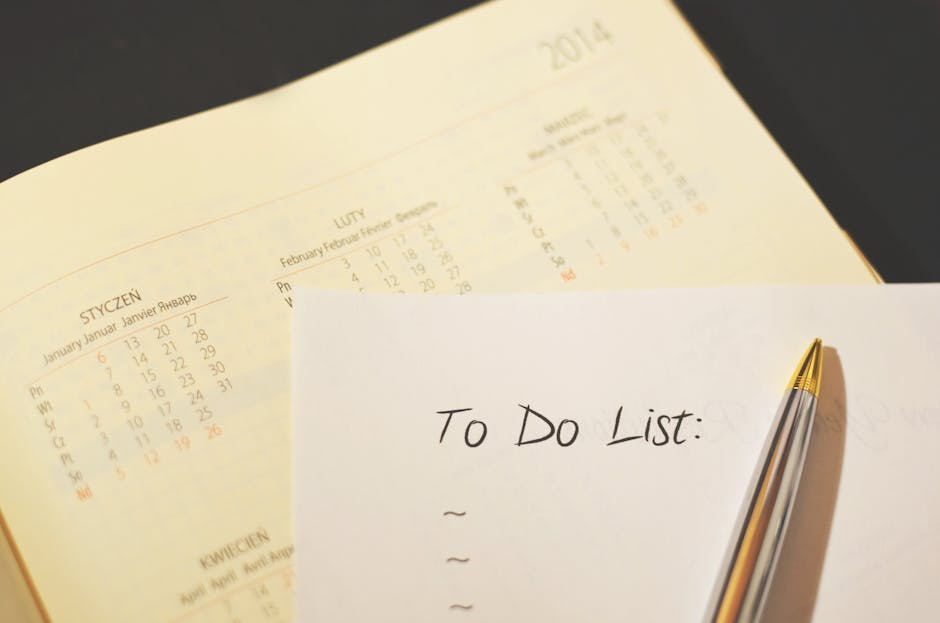
The kitchen table is cluttered with a half-drunk cup of coffee and a task list scribbled on a notepad, each item a promise of productivity. As the clock ticks toward 2 PM, the calendar block for focused work looms ahead, yet the reality of household noise and interruptions weighs heavily. The intention to dive into the tasks feels like a distant goal, overshadowed by the pressure to respond to the latest message.
Every ping from email or Slack creates a moment of indecision, leading to a cascade of task switching that disrupts the carefully laid plans. The mismatch between the task list and the calendar block becomes painfully clear; the energy needed to focus is drained with each distraction. A quick glance at the notepad shows a list of tasks that seem to grow more daunting with each interruption. The decision to mute notifications becomes critical, allowing for a single focused session to unfold. Without this small adjustment, the kitchen table transforms from a workspace into a battleground of competing priorities, where intentions clash with the reality of constant digital distractions.
What Happens When the Calendar Block Overlaps?
At the edge of the desktop monitor, the blinking cursor taunts as the clock inches toward the afternoon dip. A calendar block is set for a focused work session, yet the temptation to check email pulls the persona back into the chaotic whirl of notifications. The task list, filled with important items, sits untouched while the email window expands, revealing a stream of new messages that demand attention. The moment feels critical; the pressure to respond feels more urgent than the task at hand.
Choosing to click on that email leads to a cascade of distractions. A quick reply turns into a deeper dive into a thread, and before long, the original task is lost amid a flurry of back-and-forth exchanges. The decision to disregard the calendar block, made under the weight of perceived urgency, disrupts the workflow entirely. The kitchen table, once a dedicated workspace, now resembles a chaotic hub where notifications reign supreme.
As the persona glances back at the task list, the items seem to multiply in complexity, each one a reminder of what remains undone. The muted notification window, once a safeguard against distractions, is now a missed opportunity for focus. The decision to prioritize email over the calendar block not only derails the current work session but also sets a precedent for future interruptions. Each overlap erodes the intention to manage tasks without apps, leaving the persona grappling with the reality that focus is a fragile state easily disrupted by the allure of immediate responses.
This same friction shows up again in Focus Without Burnout, especially when the day tightens unexpectedly.
The Cost of Ignoring the Calendar Block
At the kitchen table, the laptop screen glows with a task list that feels impossibly long. Each ping pulls attention away, promising quick responses that never materialize into meaningful progress. The calendar block, intended for focused work, slips from memory as the persona finds themselves caught in a cycle of interruptions. Notifications seem innocuous at first, but each one chips away at the time set aside for deep work.
As the clock ticks past noon, the persona glances at the task list again, now cluttered with new emails that have piled up. The tradeoff becomes clear: prioritizing immediate communication over the calendar block leads to a sense of overwhelm. Instead of a clear path to completion, the day morphs into a series of fragmented tasks, each one demanding attention but yielding little satisfaction.
To regain focus, a quick adjustment is necessary. This simple action requires a moment of decision: choose the task at hand or succumb to the allure of constant updates. Each time the persona chooses to engage with Slack instead of the calendar block, they lose a piece of their workflow, making it harder to return to the original task.
A Simpler Rule for Managing Focus Blocks
If this pattern keeps repeating, Managing Energy Not Time extends the idea without leaving the niche.
With the kitchen table cluttered by a task list and a laptop, the persona realizes that constant notifications from Slack and email are sabotaging their calendar blocks. Instead of diving into focused work, they find themselves skimming through new messages, which only adds to the chaos of their day. This cycle of distraction creates a frustrating contrast: the intention to work on a single task is lost in a sea of incoming requests.
To reclaim their workflow, the persona decides to mute notifications during designated focus blocks. By placing the laptop in Do Not Disturb mode and closing the email tab, they create a clearer boundary between work and interruptions. This choice holds up better on a crowded day because it prioritizes the completion of one significant task over the temptation to respond to every incoming notification. With each focus block, the persona can see tangible progress, reinforcing the value of maintaining that boundary. What Runs More Smoothly After That Once the notifications are muted, the desk feels less chaotic. With the clock inching towards the afternoon dip, the persona realizes that this is the perfect moment to dive deep into a focus block.
As they settle into this focused work session, a simple yet effective sequence unfolds. This small act transforms the work surface into a dedicated space for productivity. The kitchen table, once littered with distractions, now serves as a launchpad for concentrated effort. Each tick of the timer fuels their determination, and they can feel the energy shift as they make tangible progress.
The task list shrinks as they check off items, reinforcing the benefits of this disciplined approach. This clear delineation between focus and distraction proves vital, especially on days filled with interruptions.
As the afternoon dip approaches, the persona notices the growing clutter on the kitchen table. The task list, once neatly organized, now competes for attention with the blinking notifications from Slack and email. By simply muting notifications, the chaotic energy of the workspace begins to settle, creating a clearer path for concentrated effort.
This small adjustment allows for a dedicated focus block to emerge, transforming the kitchen table into a productive environment. The act of blocking out time on the calendar becomes more effective when the distractions are managed. Now, with a muted notification window and a clear task list in sight, the persona can dive into the next work session, ensuring that good intentions around managing tasks without apps don’t get derailed by the interruptions of daily life.