The Small Check That Keeps Managing Tasks Without Apps From Sliding
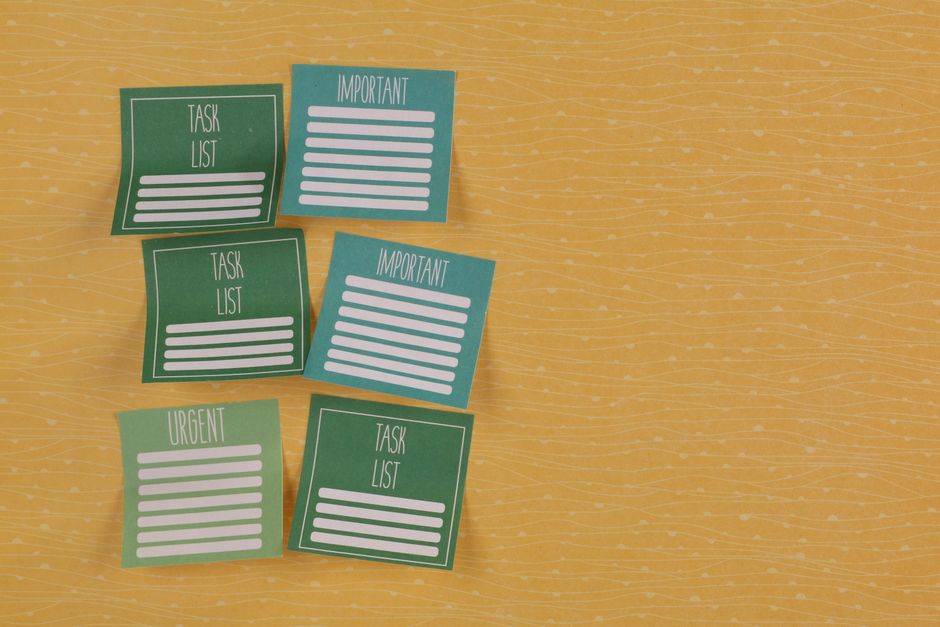
At the kitchen table, the task notebook lies open, filled with a mix of urgent admin tasks and ambitious project notes. It’s an ordinary weekday, and the clock ticks toward the end of the work block. The challenge lies in managing these tasks without apps, where the physical workspace and the mental load clash. Each time the phone buzzes, it disrupts the fragile flow, making it harder to stay on track.
Small admin tasks, like responding to a quick email or jotting down a grocery list, creep into the workflow, overshadowing the more significant projects that deserve attention. As the minutes slip by, the task list becomes a jumbled mess, leading to frequent task-switching that saps energy. The kitchen table, once a dedicated workspace, now feels cluttered with reminders of what needs to be done, but the focus block remains elusive.
When the Work Surface and Task Surface Don’t Match
Amid the clutter of the kitchen table, a laptop sits open, surrounded by a scattered array of papers. The task notebook lies buried beneath a heap of admin tasks—reminders for bills, a grocery list, and quick email responses. Each item pulls focus away from the larger project that needs attention. This ordinary weekday moment becomes a battle against distractions, where the cluttered physical space mirrors the mental chaos of task management without apps.
As the clock inches closer to the end of the work block, the pressure mounts. The task list should guide the session, but instead, it’s obscured, leading to frequent task-switching. Each time the phone buzzes, it’s a siren call to check messages, further derailing the focus block. To regain control, a quick reset is essential: clear the surface of non-essential papers, revealing the task list. This simple act creates a visual anchor, allowing for a clearer view of priorities. This shift can help reclaim the focus needed to make real progress.
The First Signs of Routine Slip
The kitchen table, once a sanctuary for focused work, now holds a chaotic mix of reminders and half-completed tasks. A task notebook lies open, but its pages are buried under a flurry of sticky notes and printouts—bills to pay, grocery lists, and emails waiting for replies. The pressure mounts as the clock ticks down on the work block, and the task list, meant to guide the session, becomes obscured by the clutter.
As the focus block is interrupted by yet another email alert, the instinct to switch tasks kicks in. This task-switching not only fragments attention but also leads to a missed check on the original priorities. To counter this, a quick reset is essential: clear the non-essential papers off the table, revealing the task list beneath. This act of decluttering creates a visual anchor, allowing for a clearer view of what truly needs to be accomplished. However, the lingering chaos suggests that without a consistent strategy to manage these interruptions, the cycle of distraction will continue, making it harder to reclaim focus in future work sessions.
Why Task Switching Creates Friction
At the kitchen table, the task list sits beneath a pile of unopened bills and a half-eaten sandwich. Each time an email notification pings, the urge to switch tasks becomes overwhelming. This constant shifting not only fragments attention but also drains mental energy, leading to greater inefficiency.
As the clutter builds, prioritizing becomes a challenge. The task list, which should serve as a roadmap, is obscured by the chaos of small admin tasks that crowd the workspace. A hidden step in this process is the failure to clear away distractions before diving into the work. Without a quick reset—like moving the task list to the forefront and tucking away non-essentials—it's difficult to see what truly needs attention. The result is a cycle of task-switching that not only disrupts workflow but also makes it harder to reclaim focus in subsequent sessions.
During this ordinary weekday moment, taking the time to declutter the workspace can make a significant difference. By placing the task list in a visible spot and blocking off a dedicated focus session, the potential for mental fatigue decreases.
A Better Order for the Same Five Minutes
If this pattern keeps repeating, Managing Energy Not Time extends the idea without leaving the niche.
During a busy weekday at the kitchen table, it's easy for small admin tasks to clutter the workspace, making it hard to focus on the real work. This friction point can be addressed effectively with just a few minutes of intentional organization.
- Set a timer for five minutes to declutter the workspace, moving the task list to the top of the pile.
- Place the task list in a visible position on the table, ensuring it’s the first thing you see when you sit down.
- Before diving into work, quickly scan the task list and prioritize the top three tasks to focus on during your next block.
By dedicating just five minutes to this reset, you can create a clearer mental space. The visible task list not only serves as a reminder of your priorities but also minimizes the temptation to switch tasks. This small adjustment can significantly enhance your focus during the upcoming work session.
What Gets Easier in the Next Time Block
This same friction shows up again in Focus Without Burnout, especially when the day tightens unexpectedly.
Once the workspace is decluttered, the next time block feels noticeably more manageable. With the task list prominently placed, you’re less likely to get sidetracked by the small admin tasks that tend to creep in during busy moments. This shift in attention helps maintain momentum and reduces the friction that often leads to task-switching.
During your next calendar block, set a clear intention to tackle just one of the prioritized tasks from your list. Resist the urge to check your email or any other distractions. By committing to this focused approach, you can significantly cut down on the time lost to task-switching.
As you settle into this more structured workflow, take a moment to check your progress after the block ends. A simple glance at your task list will reveal how much you’ve accomplished and what still needs attention. This visible tracking not only reinforces your focus habits but also helps you identify patterns in your workflow that could be adjusted further for efficiency.
As you navigate the crowded work blocks at your kitchen table, the friction of small admin tasks can easily overshadow your main objectives. Instead of letting these distractions dictate your workflow, prioritize a single task from your visible task list. Before diving into your next session, take a moment to block off a dedicated focus block on your calendar. This simple act not only sets the stage for concentrated work but also creates a tangible boundary against interruptions.
During this focused session, keep your task notebook open and visible, serving as a constant reminder of what truly needs your attention. By committing to this approach, you’ll find it easier to resist the urge to switch tasks, allowing you to make meaningful progress on your priorities. The next time you sit down, remember to check your task list first, ensuring that your workspace aligns with your objectives. This small adjustment can lead to a more productive day, even without the aid of apps.


